

Academic research
Research interests
I am interested in examining the carceral impacts of surveillance technologies on colonial subjects, criminalized communities, and migrants, especially along racialized lines. I pay particular attention to how artificial intelligence penetrates and delineates carceral geographies.
Datafication, necropolitics,
and settler-colonial power
I aim to scrutinize the datafication of Palestinian life and death, and how it exposes the tension between the economic aims of Israel’s neoliberal and racial-capitalist economy and the political imperatives of its settler-colonial project. I consider how this process of datafication is both a tool of necropolitical control and a mechanism of asset formation.
-
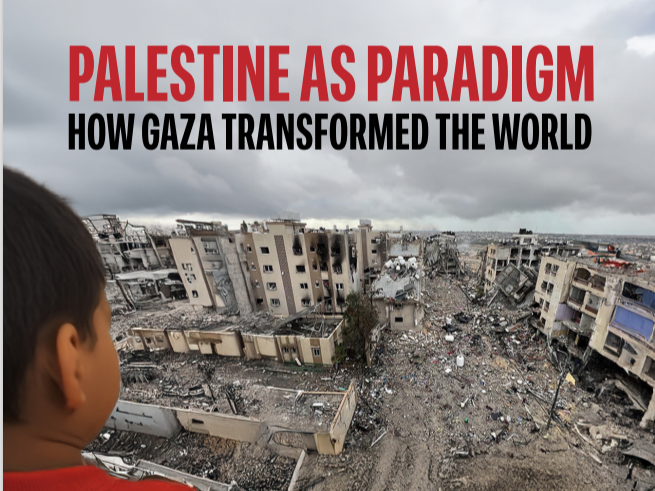
Algorithmic Death-World: Artificial Intelligence and the Case of Palestine
Journal Article
Public HumanitiesIn an article for Public Humanities’ special issue “Palestine as Paradigm: How Gaza Transformed the World,” I discuss the algorithmic death-world that is formed by AI systems that dispossess data from both Palestinian lives and deaths, generate kill lists en masse, and are calibrated to maintain the entire Gaza population as potential targets.
-
Occupied Assets: Israeli Neoliberalism and the Datafication of Palestinian Life
Magazine Article
DisjunctionsThis essay, co-authored with Nick Mitchell for Disjunctions magazine, analyzes the neoliberal logics that animate the datafication of Palestinians, and posits that datafication functions as the key mechanism through which Palestinian existence is transformed into an asset class, creating an asset dependency within the political economy of Israeli occupation.
-
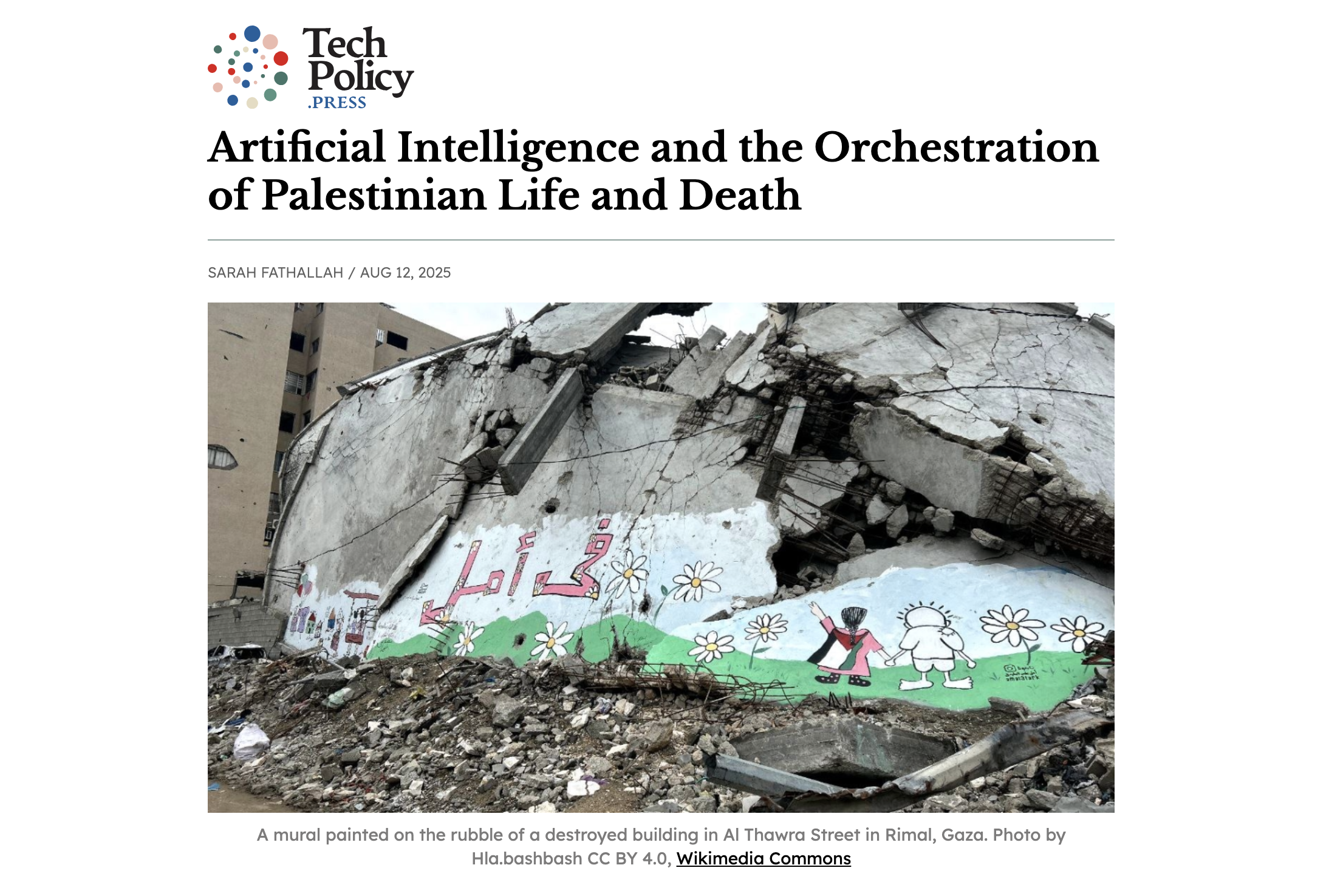
Artificial Intelligence and the Orchestration of Palestinian Life and Death
Essay
Tech Policy PressIn this piece for Tech Policy Press, I argue that, for the value of the AI systems used by Israel be realized, Palestinians must collectively and simultaneously be rendered as the lives from which data is captured, the bodies which are marked into targets of violence, and the deaths through which the lethality of AI systems is demonstrated and later improved.
-
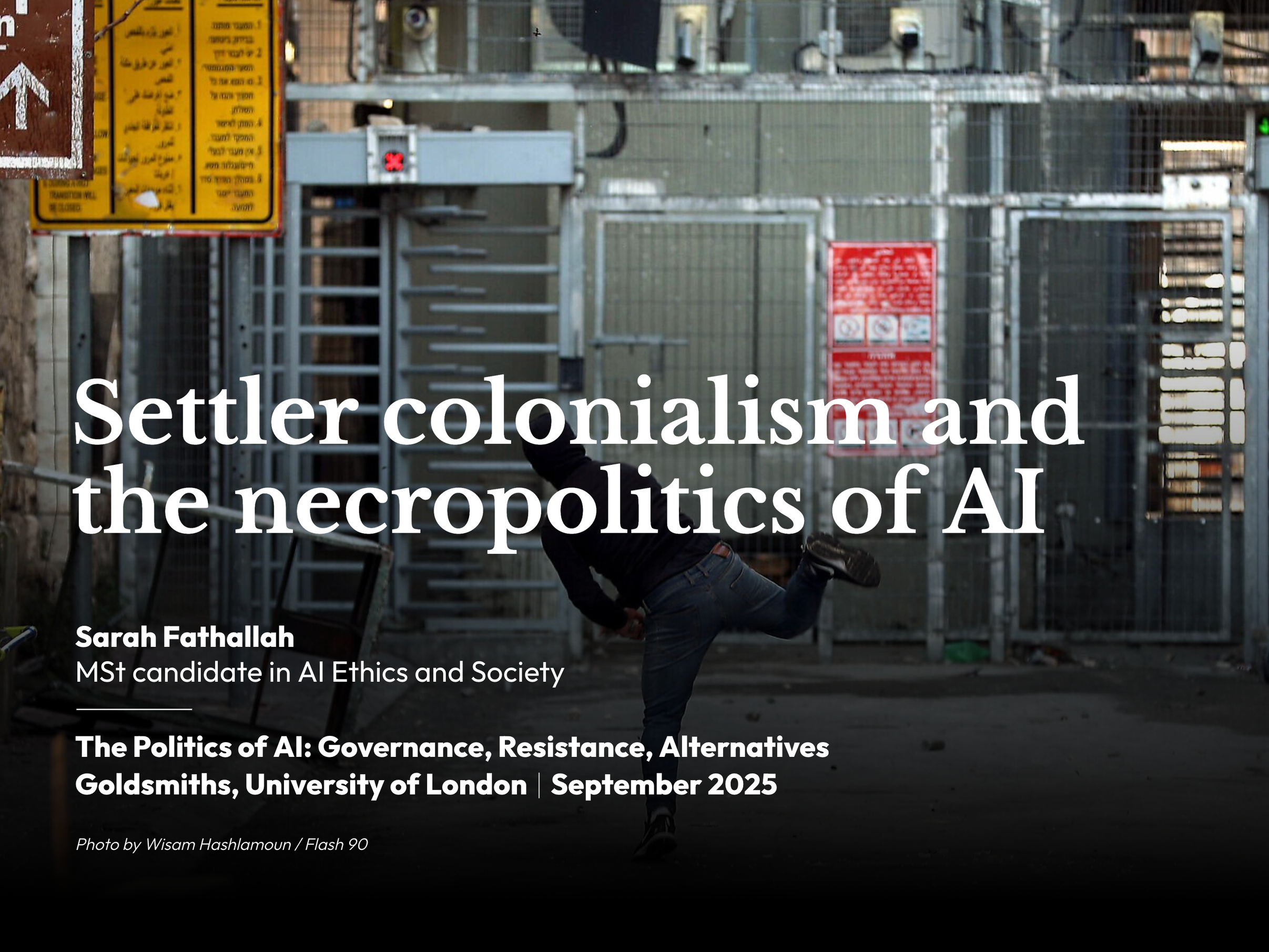
Settler Colonialism and the Necropolitics of Artificial Intelligence
Presentation
Goldsmiths, University of LondonIn this presentation at “The Politics of AI: Governance, Resistance, Alternatives” symposium, I situated the AI systems of target generation deployed in Gaza within a longstanding settler-colonial necropolitical toolbox. I contended that, without ending Palestine’s occupation, increasingly lethal necro-technologies are bound to continue to emerge.
Biometrics, bodies,
and carceral geographies
I aim to study how biometric technologies shape and are shaped by carceral geographies and spaces of confinement. I focus on the institutions and ideologies that produce and sustain these technologies, emphasizing their role in policing, criminalization, military occupation, and population control.
-
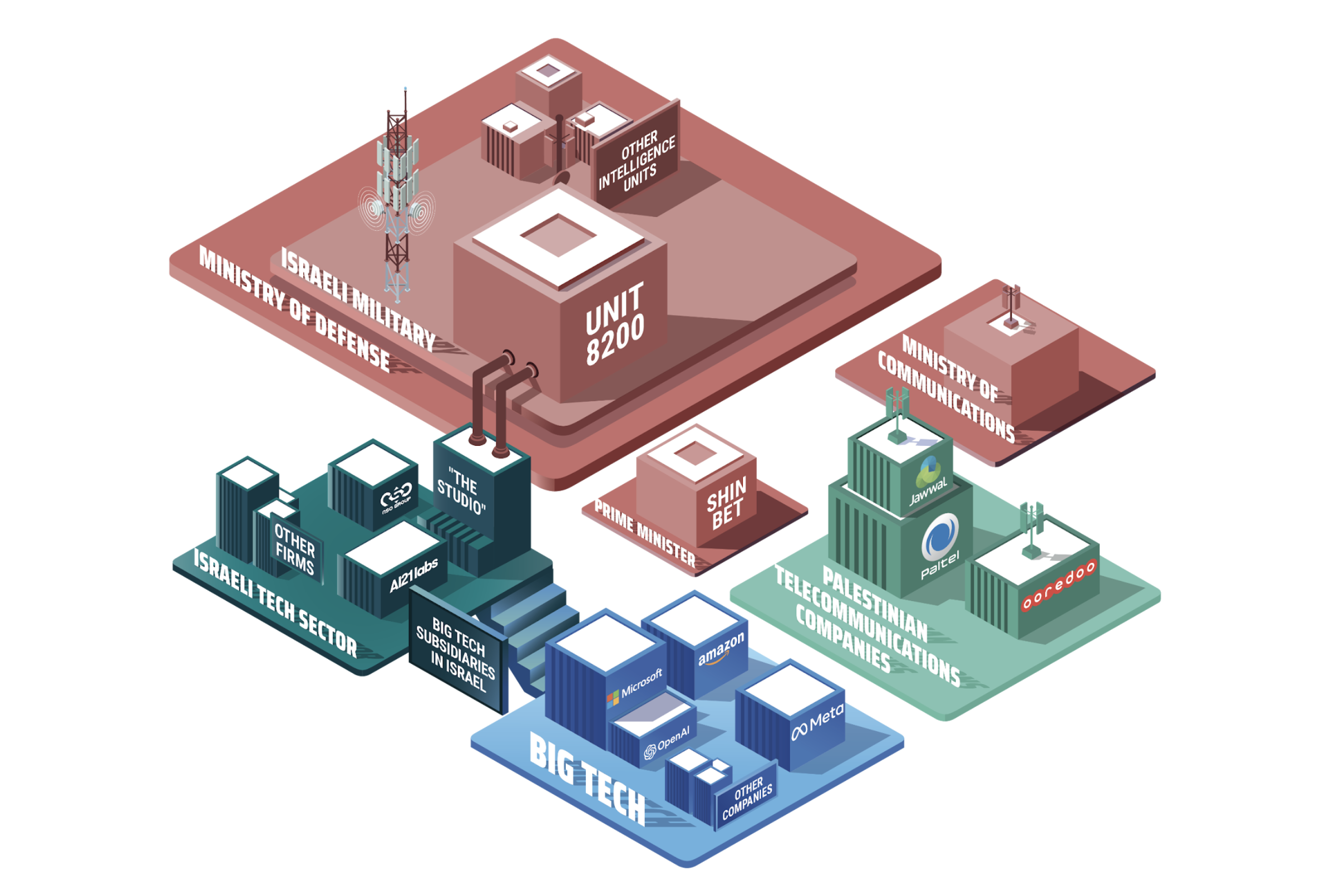
Captive Voices: Algorithmic Voice Surveillance in Palestine
Report
7amlehAs a Maryam Abu Daqqa Fellow with 7amleh, I examined how Israel intercepts, analyzes, and weaponizes Palestinians’ voice communications and voice biometrics. My research painted the (likely incomplete) picture of a dense voice surveillance architecture embedded in the overlapping interests of military occupation and corporate power.
-
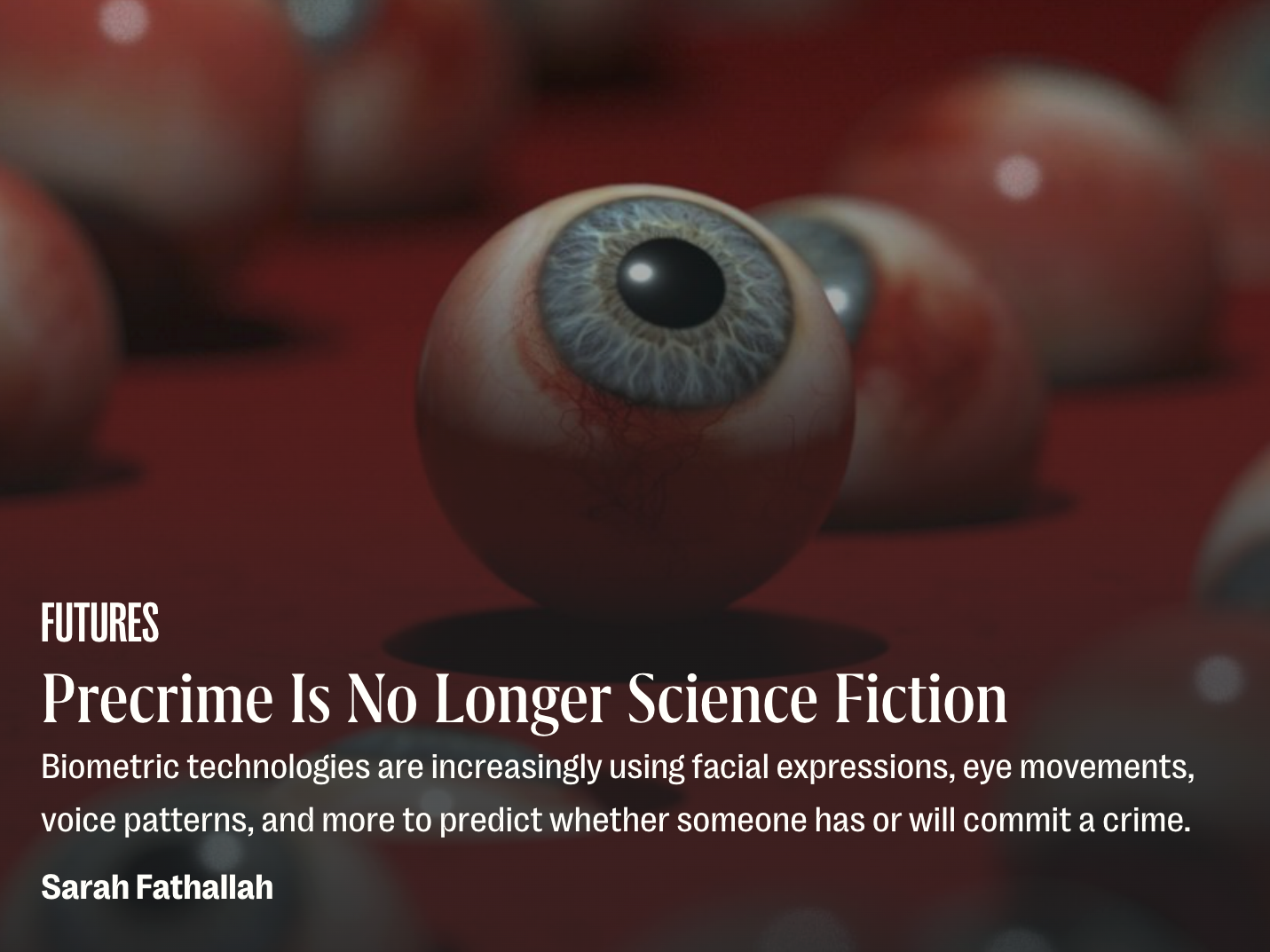
Precrime Is No Longer Science Fiction
Essay
InquestIn this article for Inquest, I survey the expanding use of carceral biometrics beyond facial recognition, from DNA phenotyping and voiceprinting to eye tracking and physiological data monitoring, encoding the body as evidence and expanding the reach of the carceral state.
-
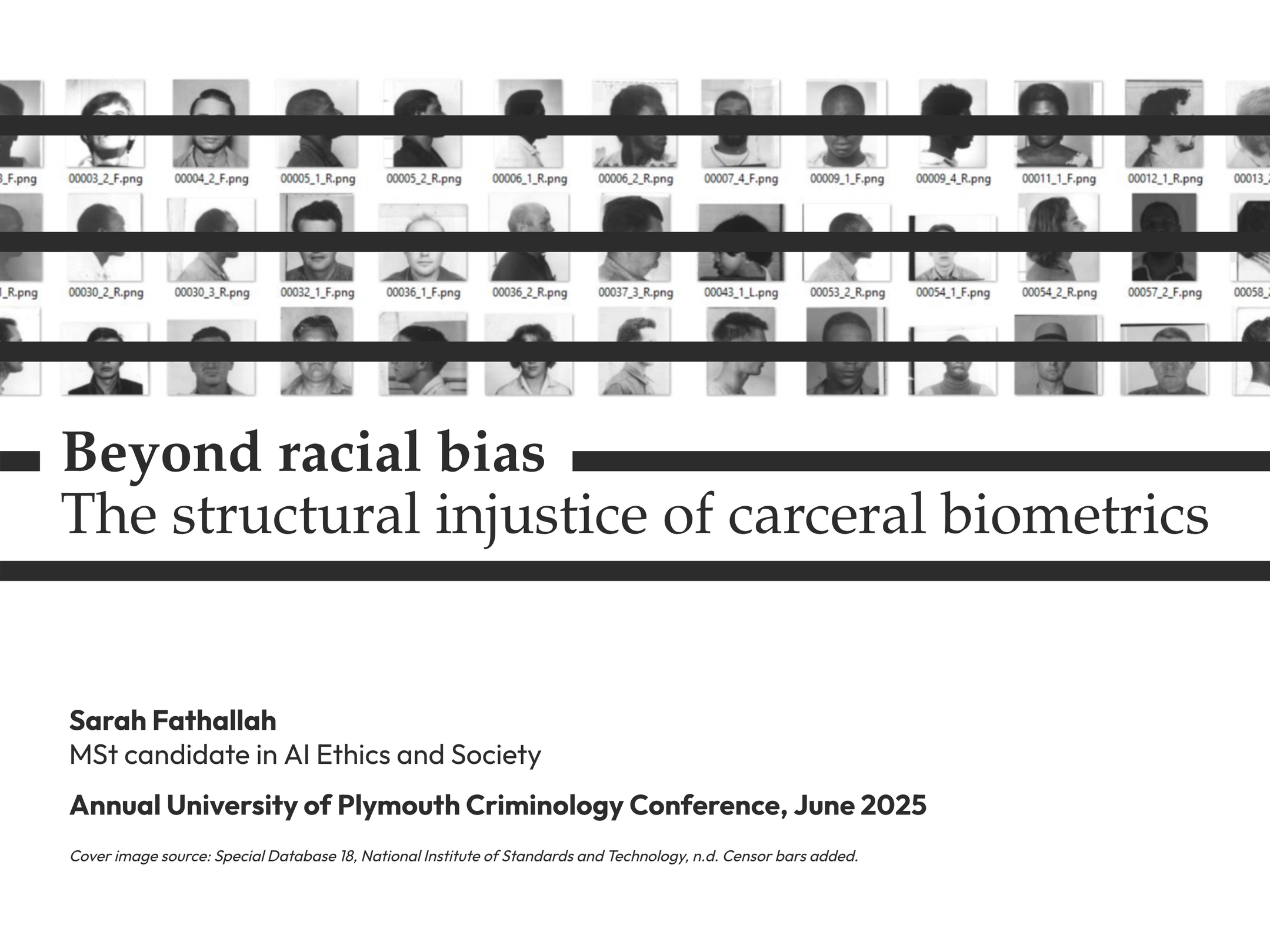
Beyond Racial Bias: The Structural Injustice of Carceral Biometrics
Presentation
University of PlymouthIn this presentation given at the Annual University of Plymouth Criminology Conference, I argued that focusing on the racial biases underpinning carceral biometrics, along with the technosolutionist calls to "debias" them, is a reductive account of and response to their structural violence.
Border technologies, border violence, and border imperialism
I aim to investigate the deployment of border technologies as instruments of border violence and border imperialism. I highlight on how these systems exploit migrant data, enforce interdiction, and construct threat, while interrogating the regulatory frameworks that fail to protect migrant rights.
-
The EU AI Act and the Violent Logics of Border AI
Op-ed
Internet Policy ReviewIn my Internet Policy Review op‑ed, I critique the EU AI Act for leaving migrants exposed to border violence. I trace how border AI’s extractive, predictive, and experimental logics enable the unfettered surveillance of migrants, the anticipatory allocation of resources aimed at their pushback, and their exposure to unprotected testing.
-
The Bordered and Bordering Violence of Artificial Intelligence
Presentation
Mozilla FestivalIn a session at the Mozilla Festival, I examined how AI systems shape the violence of borders through coercion, extraction, and punishment, comparing the cases of the occupied Palestinian territories and Europe’s Southern borders. I traced how these systems extract vast amounts of data, enforce interdiction, and classify entire populations as threats.
-
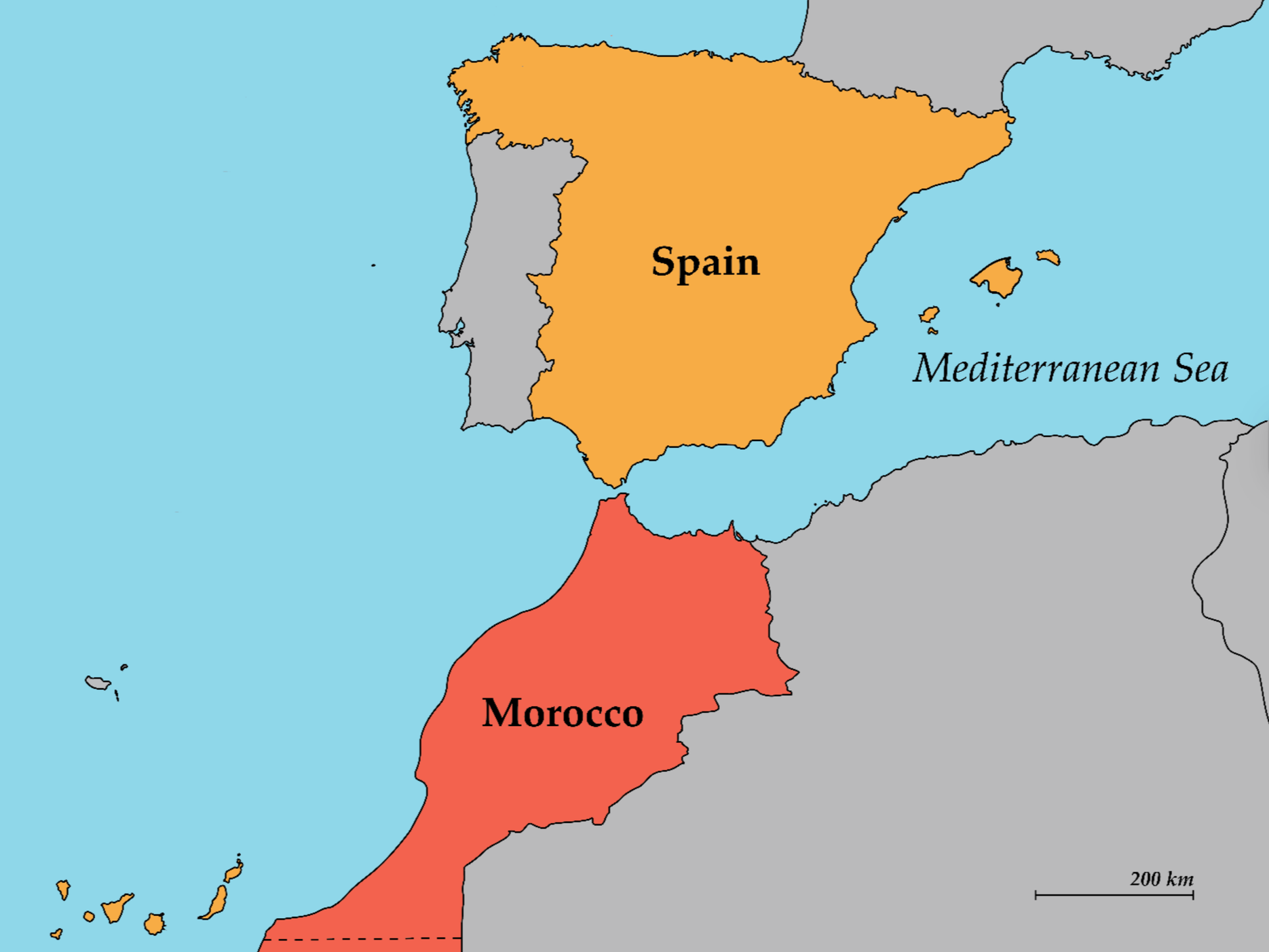
Border AI Violence and the Limits of Regulatory Oversight
Talk
Nova School of Business and EconomicsAs part of the “AI Sceptics: Open Talks on Artificial Intelligence” speaker series, I spoke to the increased adoption of AI for border control by the European Union, and showed how its oversight regulatory framework, the AI Act, addresses (or fails to address) the potential harms of systems deployed at the Morocco–Spain border.